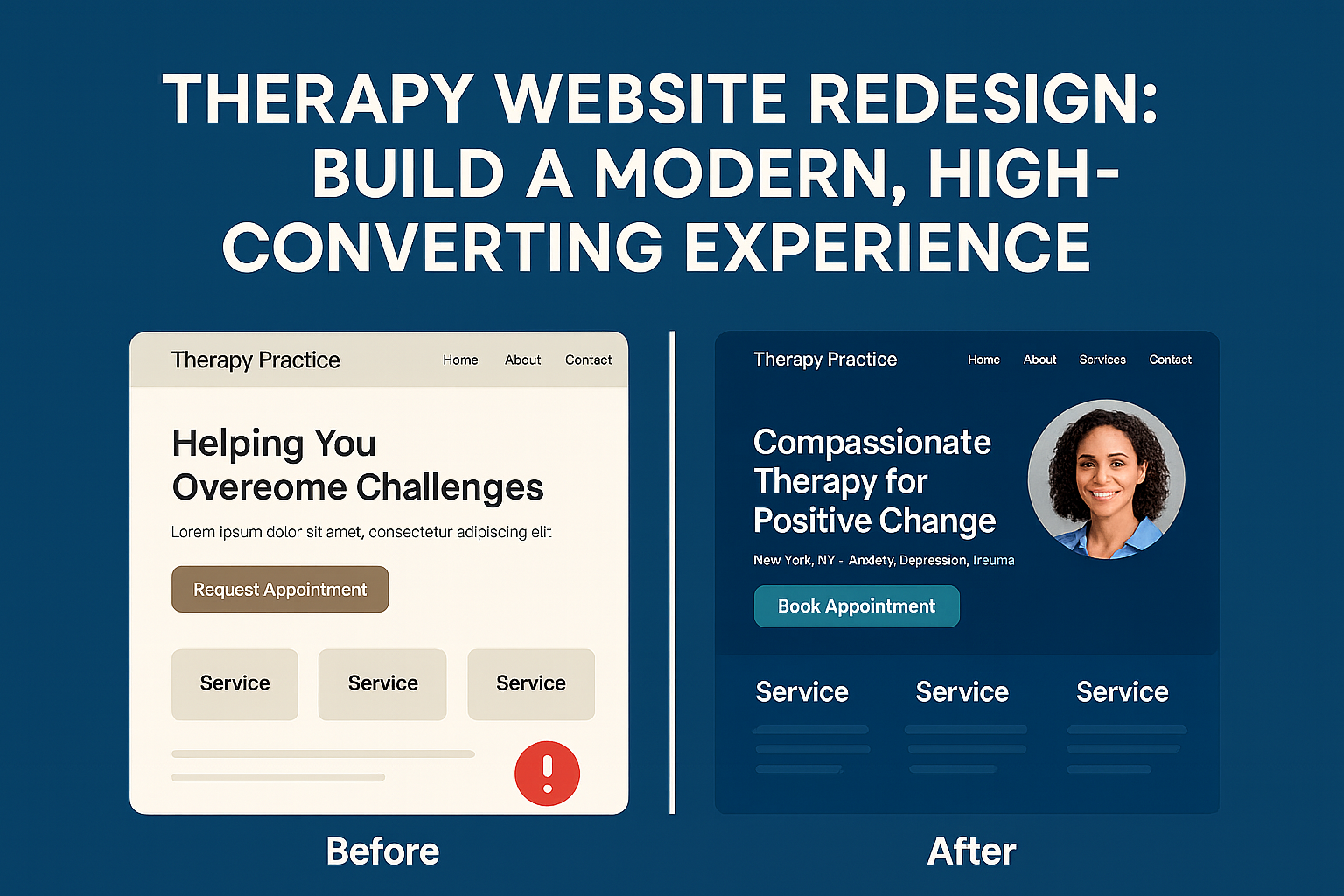
Redesigning your therapy website is one of the highest-impact steps you can take to improve trust, credibility, and client inquiries. Most therapists begin this journey when they start noticing outdated visuals, weak SEO, slow page speed, or a homepage that fails to communicate their clinical identity clearly. These issues matter because over 90% of clients evaluate a therapist’s website before booking, and a poor online experience directly affects conversions.
Client behavior has shifted significantly. People now judge therapeutic professionalism based on user experience, mobile performance, clarity of messaging, and overall digital presence. Studies from Google confirm that mobile-friendly design and fast load times directly influence user trust and conversions
A strategic redesign goes beyond cosmetic changes. It should strengthen trust signals, SEO performance, mobile usability, site structure, and conversion flow. A well-executed therapy website redesign makes your practice more discoverable, more credible, and more aligned with what clients expect in 2025.
Mental Health IT Solutions specializes in HIPAA-aware, conversion-focused therapy websites built specifically for private practices and group practices. This guide outlines the key steps you should take before and during your redesign so your updated website attracts the right clients, increases inquiries, and supports long-term practice growth.
1. Evaluate Your Current Website Performance
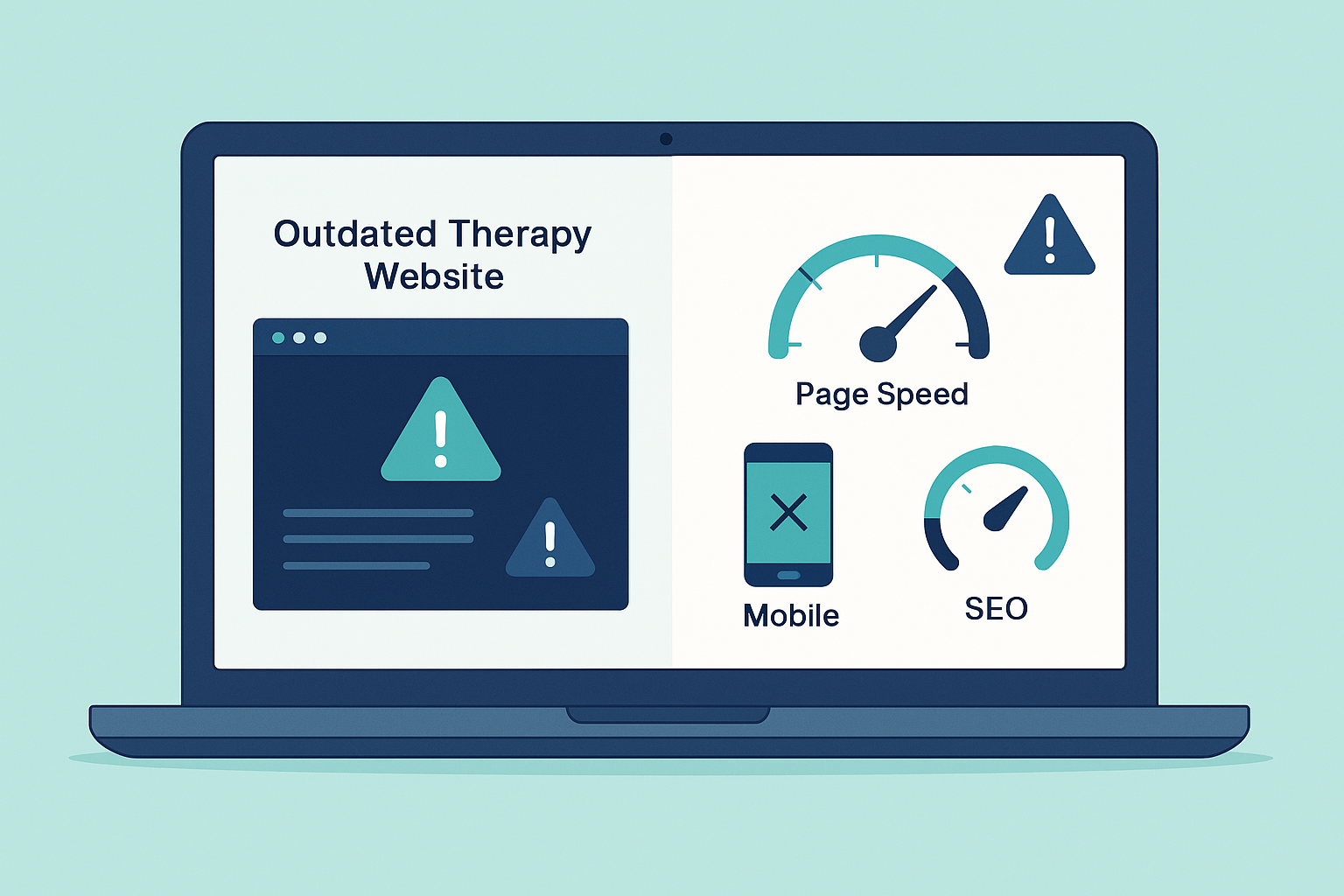
Check Page Speed, Mobile Experience & Technical Health
Before redesigning, audit technical weaknesses:
- Slow loading pages
- Poor mobile responsiveness
- Outdated plugins or broken links
- Weak hosting or no SSL
- Confusing page layout
A slow site often correlates with low inquiries. If your visibility has dropped, you can also review: Why Am I Not Getting Enough Clients for My Therapy Practice?
Review Branding & Messaging Clarity
Look for:
- Old photos or an inconsistent color palette
- Headlines that don’t speak to your specialties or client pain points
- Lack of identity and clinical positioning
Analyze Conversion Pathways
A redesign should fix:
- Missing CTAs
- Cluttered menus
- Poorly structured intake forms
- Confusing user flow
2. Redesign Your Homepage for Trust & Clarity
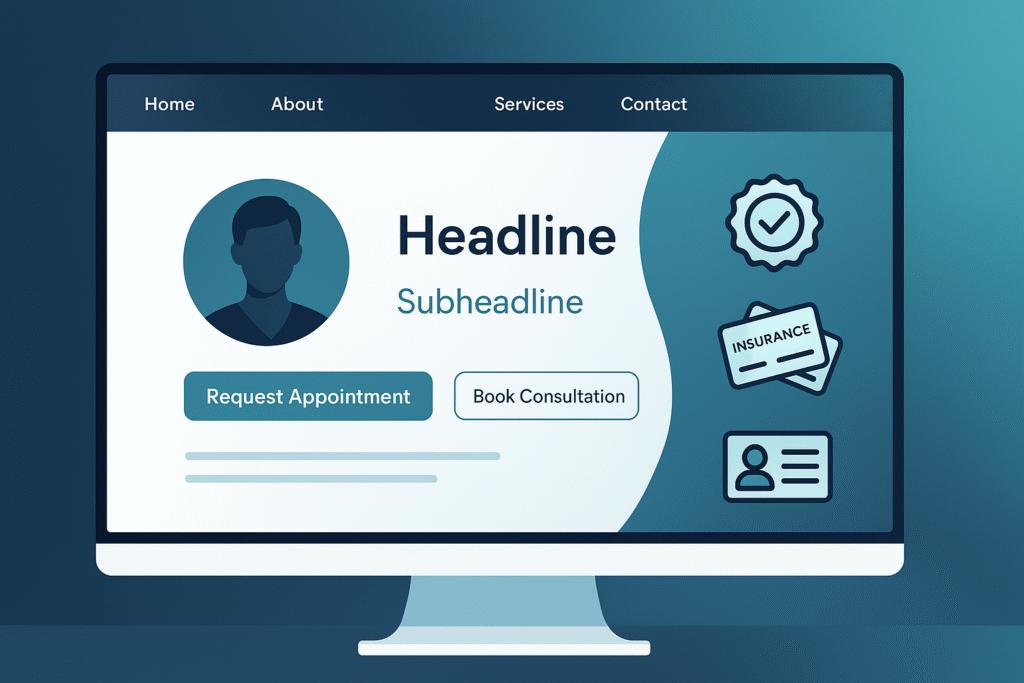
Use an Empathy-Driven Hero Section
Your homepage should instantly answer:
- Who you help
- What you specialize in
- Where you’re located
- How to book
Add Strong Calls-to-Action
Effective CTAs:
- “Request Appointment”
- “Book a 15-Minute Consultation.”
- “Schedule a Session”
Include Trust Elements
- Credentials
- Insurance panels
- Professional memberships
- Years of clinical experience
Your homepage should function as your “digital front door” and be optimized for conversion: Therapist Website Development
3. Improve UI/UX to Increase Engagement
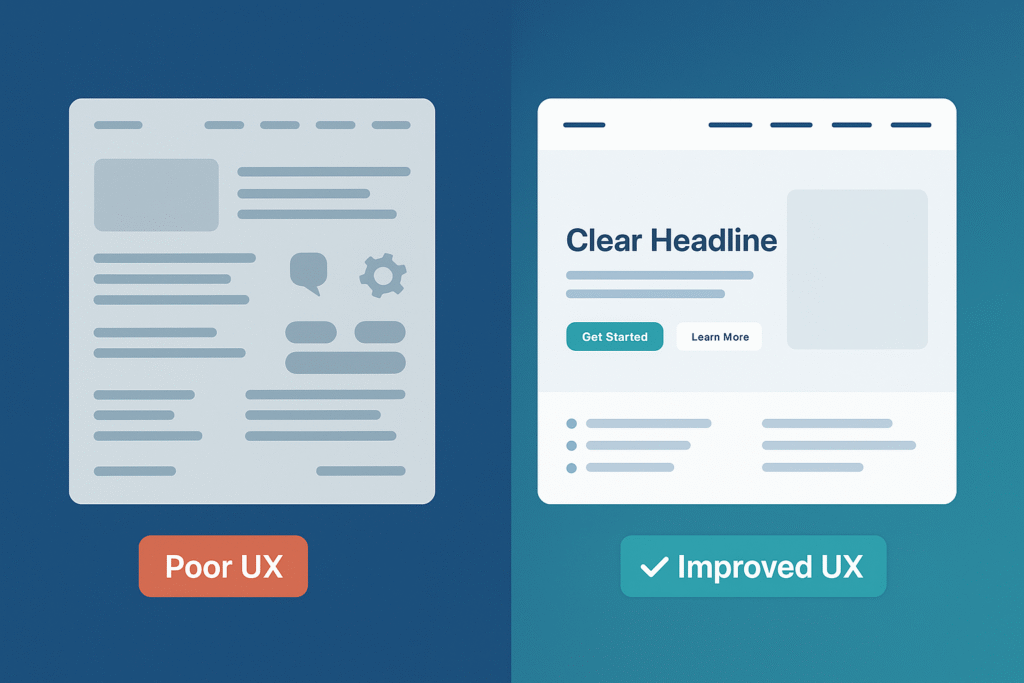
Modern Layout & Typography
A therapy website must use:
- Clean spacing
- Calm, minimalistic sections
- Good content hierarchy
- Large, readable fonts
Easy-to-Use Navigation
Remove clutter:
- Simplified menu
- Clear service categories
- Logical content grouping
Use of Visuals
- Professional imagery
- Calming, therapeutic colors
- High-quality headshots
- Avoid stock photos that feel generic
4. Redesign Your Service Pages for SEO + Conversions
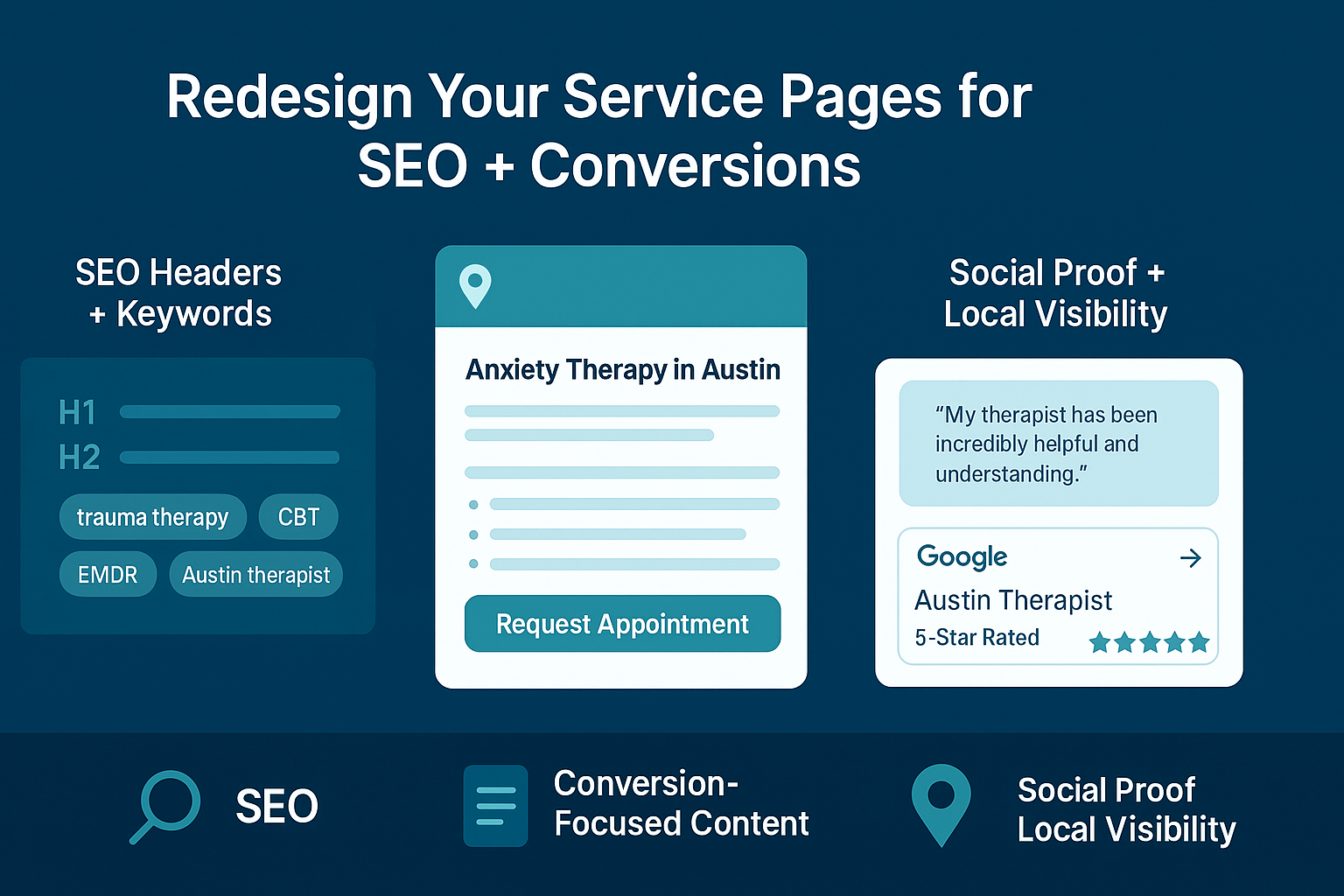
Add Long-Form, Helpful Content (700–900 words)
Use a structure like:
- Symptoms
- Your approach
- What clients can expect
- Who you help
- CTA to book
Optimize Headers & Keywords
Add:
- Local keywords (“Anxiety therapist in Austin”)
- Specialty keywords (EMDR, trauma therapy, CBT, etc.)
To strengthen SEO authority across your service pages, reference: SEO for Therapists
Add Testimonials & Social Proof
Ensure HIPAA compliance:
- No identifiable client info
- Anonymized testimonials
- Professional feedback
5. Add a High-Performing About Page
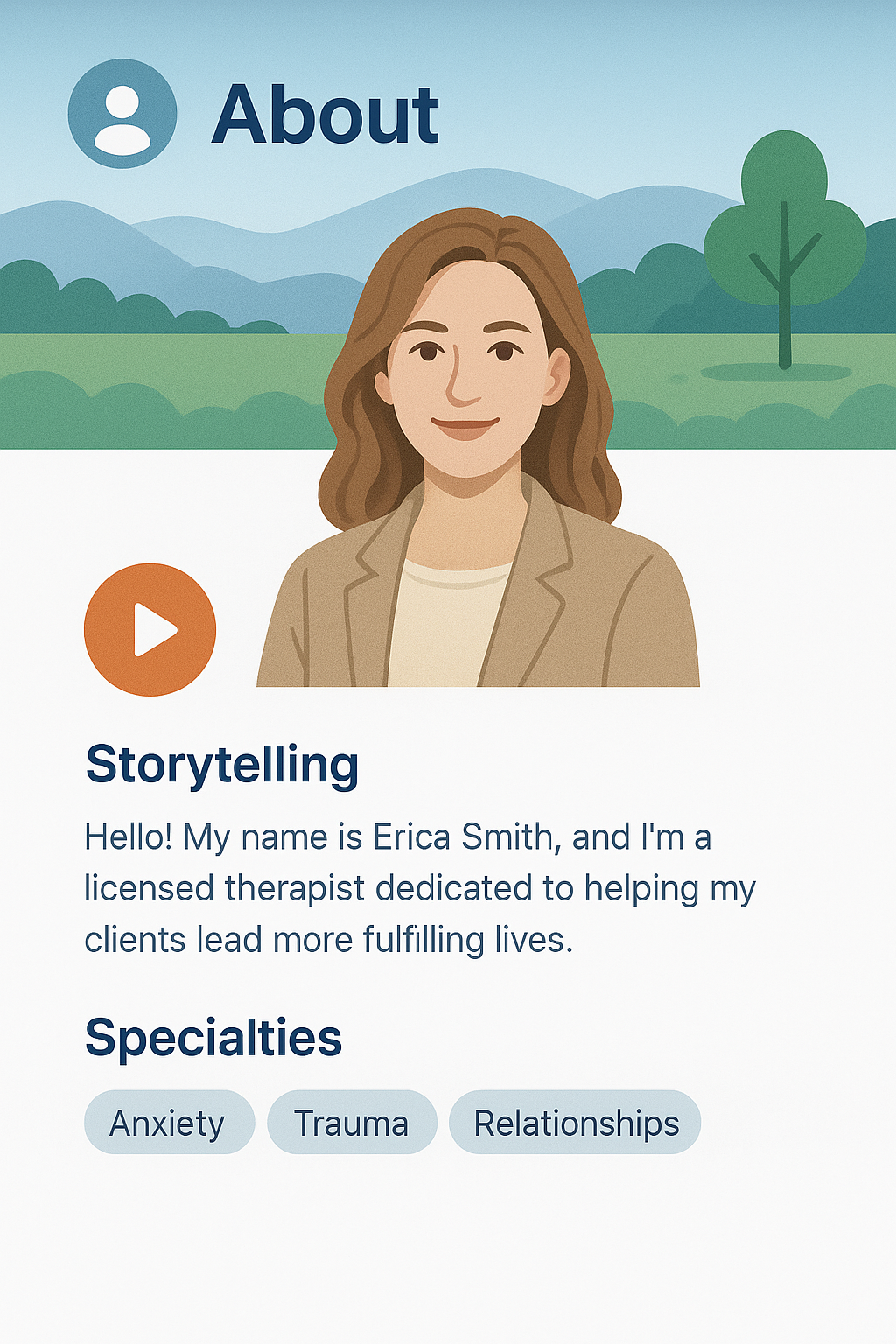
Create a Strong Therapist Bio
Include:
- Your clinical story
- Your therapeutic style
- Populations & specialties
- Personal values
Add a Video Introduction (Optional)
Video = faster trust building.
6. Redesign Your Contact & Booking Flow
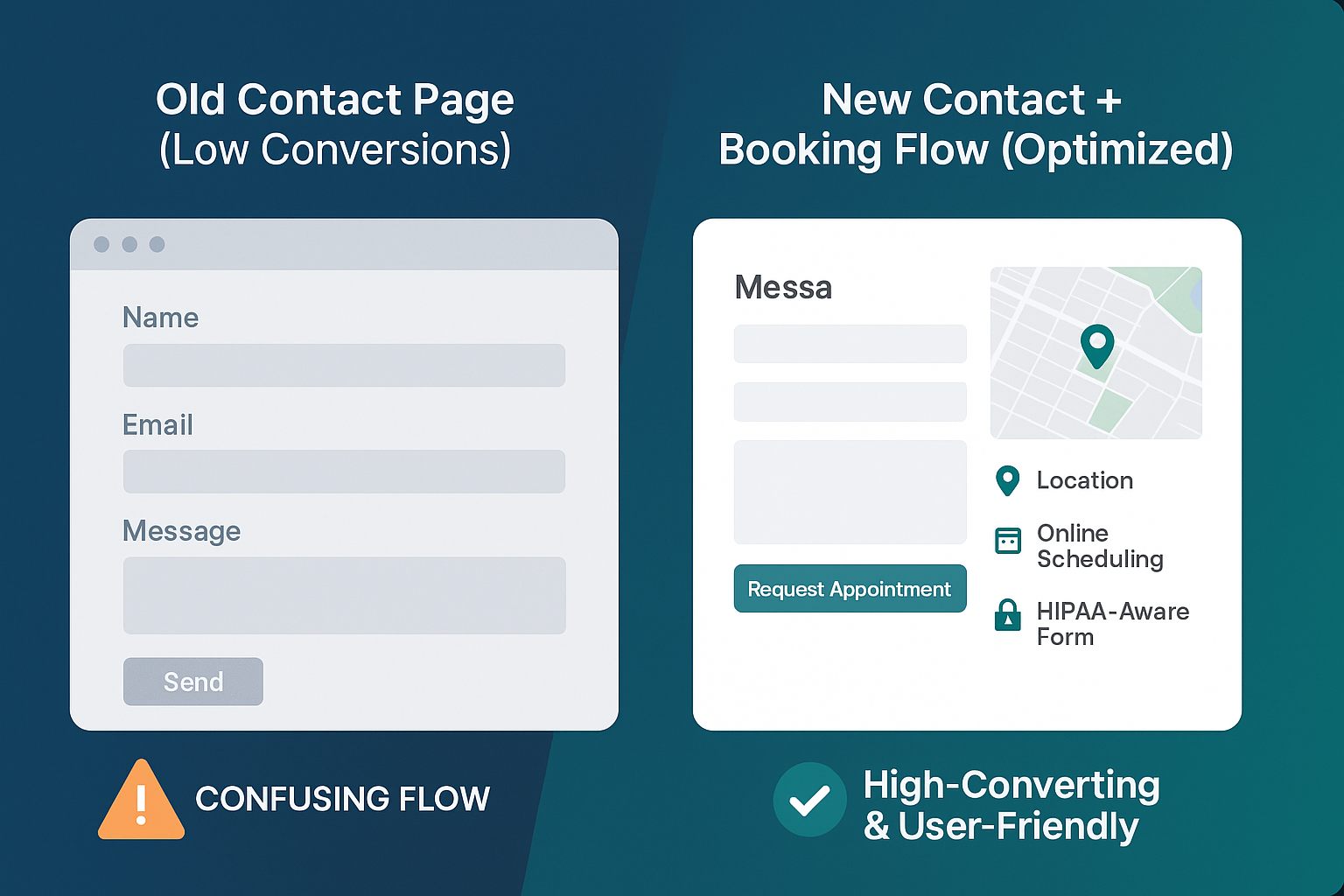
Build a Simple, Conversion-Focused Contact Page
Include:
- Name
- Phone
- Easy-to-fill form
- Practice location
- Google map
Integrate Online Scheduling
- HIPAA-aware booking tools
- Mobile-friendly
- Fewer steps to book
7. Improve Technical SEO & Local SEO
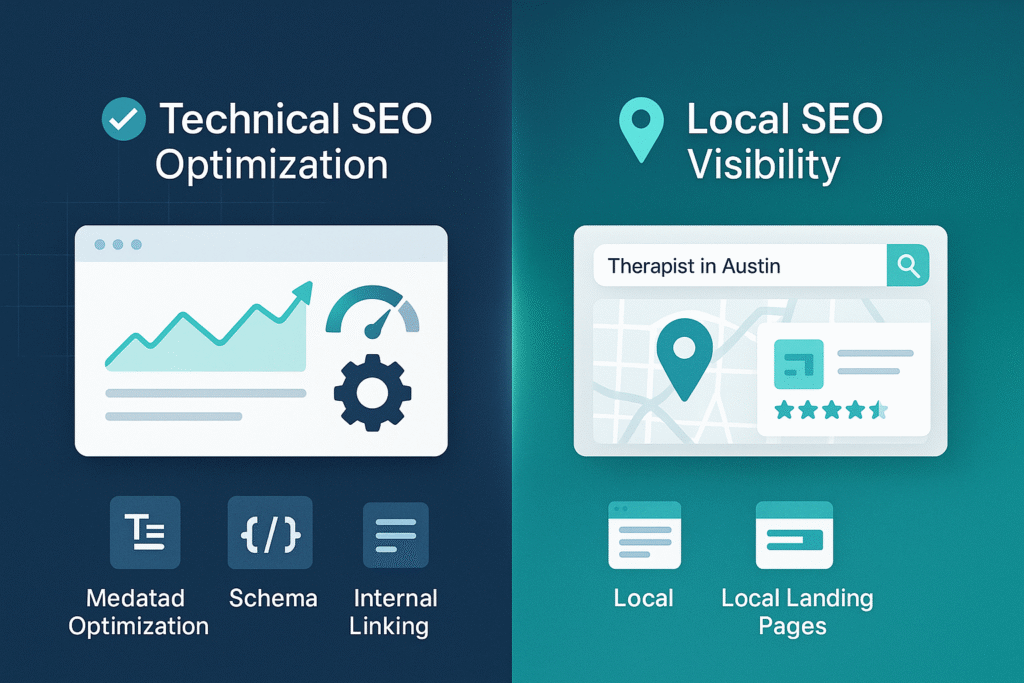
Optimize Metadata & Schema
Include:
- Local business schema
- Review schema
- Location tags
Improve Site Structure
- Breadcrumbs
- Clear internal linking strategy
- Logical category structure
Add Local Landing Pages
Especially if you serve multiple counties or cities.
For deeper SEO strategies: Local SEO for Therapists
8. Add High-Value Content Sections
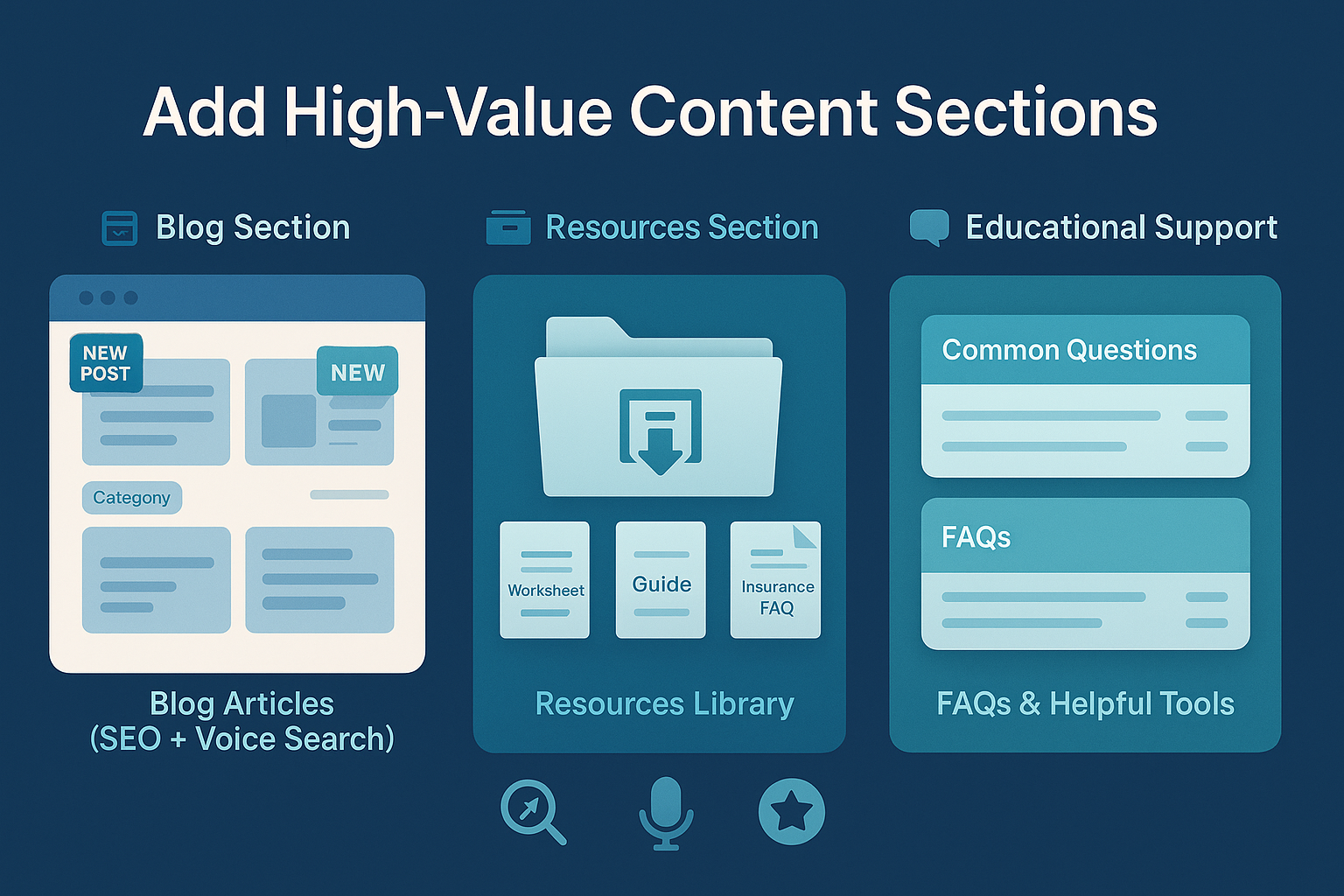
Blog Section
- Voice-search optimized content
- Articles addressing client questions
- Specialized mental health topics
Resources Section
- PDFs
- Worksheets
- FAQs
- Insurance info
To grow traffic long term: How Can I Get More Clients for My Therapy Practice?
9. Ensure HIPAA Awareness & Security

Critical for mental health websites:
- Secure forms
- SSL certificate
- HIPAA-ready hosting
- Encrypted storage
- Proper cookie/consent banners
- Clear privacy policy
10. Include Modern Features for Better Client Experience
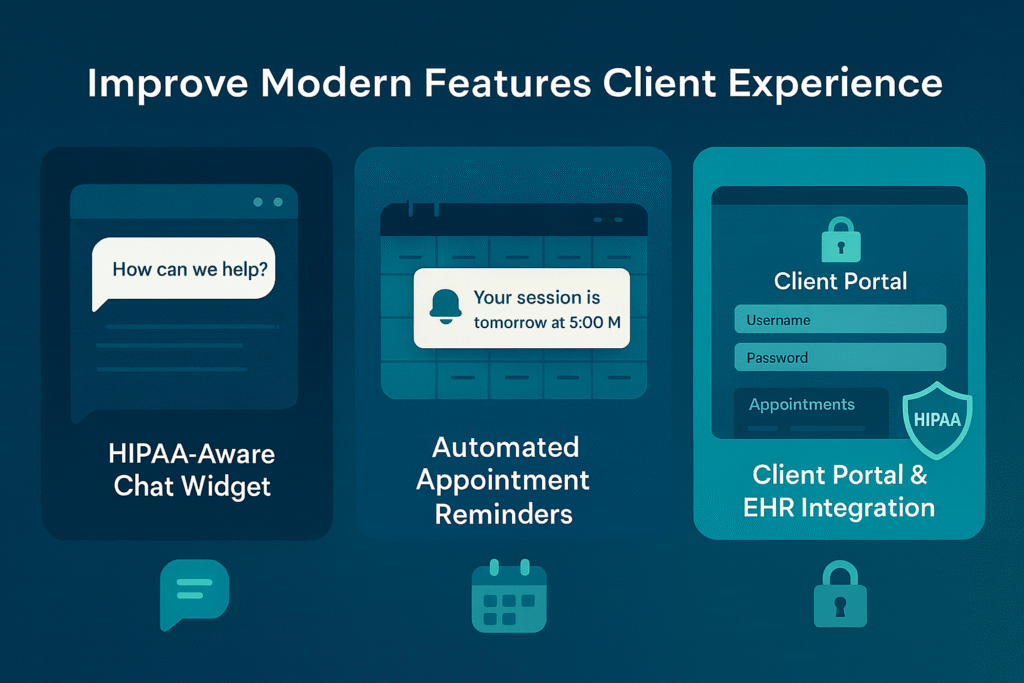
- Chat widget (non-clinical)
- Appointment reminders
- EHR or portal integration
- Provider directory pages
- Multi-location layout
11. Add Visual Branding That Reflects Your Identity
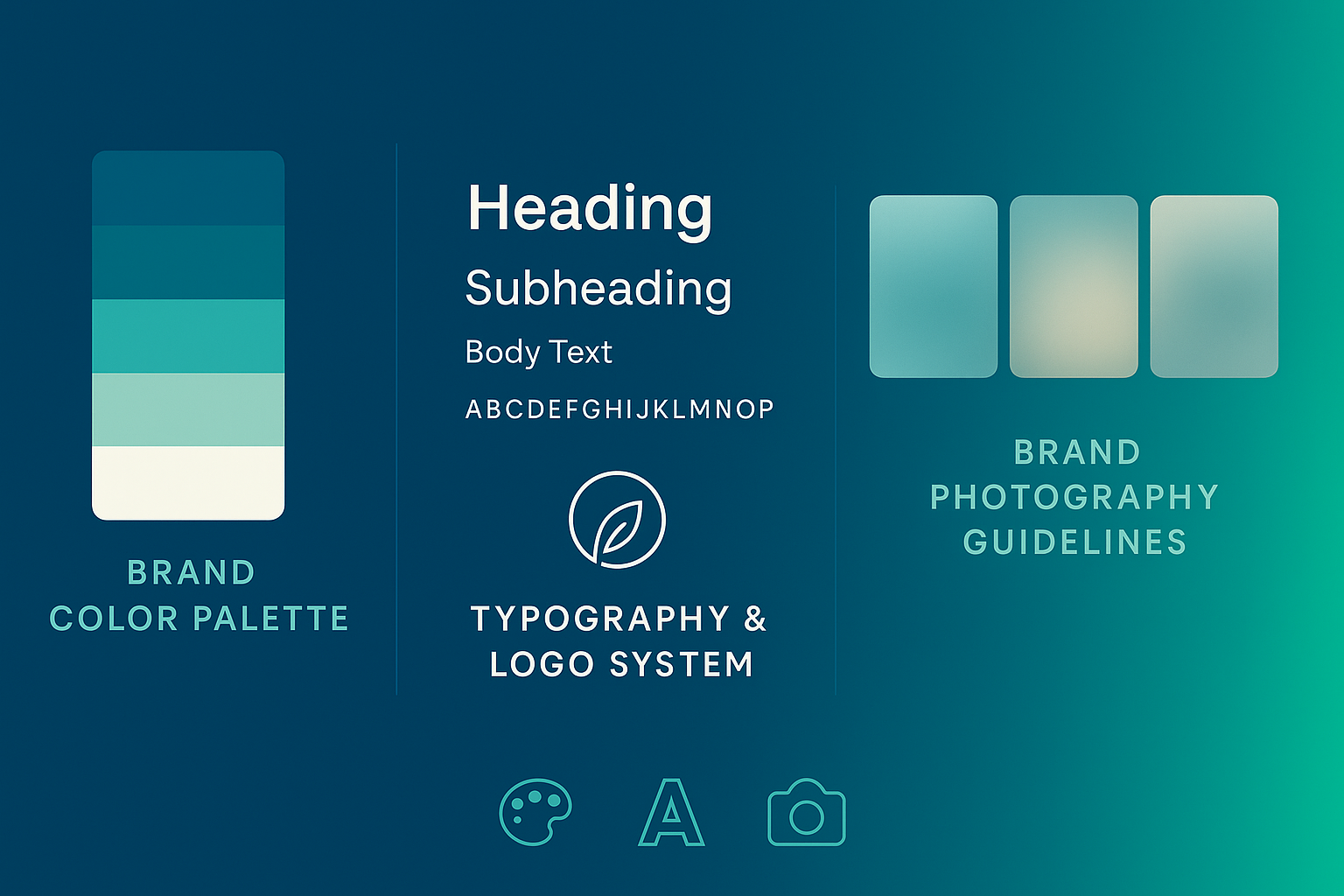
- Therapy-focused color palette
- Logo refresh
- Brand photography guidelines
- Consistent visual language
12. Work With a Specialized Mental Health Web Agency
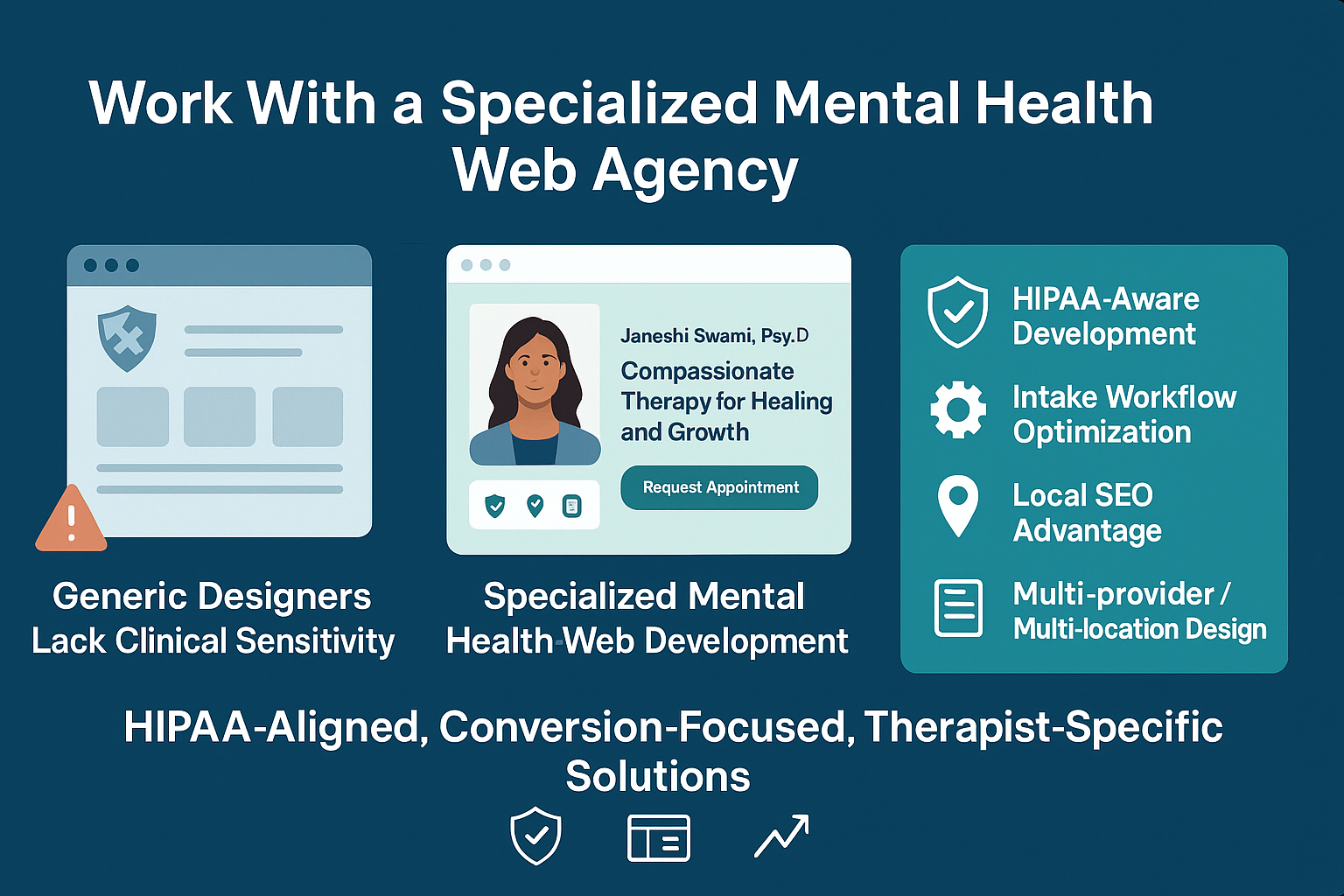
General designers lack:
- Clinical language sensitivity
- HIPAA knowledge
- Experience with therapy flows
- Ethical boundaries for imagery and copy
MHIS brings mental-health–specific expertise in:
- UX for therapists
- Intake funnel optimization
- Local SEO
- HIPAA-friendly development
- Multi-provider layouts
FAQs
The homepage is the highest-impact area because it shapes first impressions and determines whether visitors stay or leave. A strong hero message, clear service overview, trust elements, and obvious CTAs significantly increase client inquiries.
Most therapy websites benefit from a redesign every 2–3 years as design trends, SEO standards, and client expectations evolve. If your site loads slowly, looks outdated, or isn’t mobile-friendly, a redesign is needed sooner.
Yes. A redesign improves site structure, page speed, content depth, internal linking, mobile experience, and metadata—all critical SEO signals. Optimizing service pages and adding local SEO elements can significantly increase visibility.
Essential features include an empathy-driven hero section, structured service pages, a clear booking flow, HIPAA-aware forms, mobile-optimized layouts, testimonials, local SEO elements, and a strong about page that builds trust.
Success is measured by increases in client inquiries, higher conversion rates, lower bounce rates, improved Google rankings, and stronger engagement on key pages. Tracking these metrics after launch provides a clear performance benchmark.
Conclusion: Your Redesign Should Increase Trust, Rankings & Inquiries
A strategic therapy website redesign is not about making the site look prettier. It’s about creating a high-performing growth engine that:
- Builds client trust
- Strengthens SEO
- Improves mobile experience
- Enhances user flow
- Increases conversions
- Reflects your therapy identity authentically
Start with a clear audit, redesign with intention, and align your website with how real clients search and make decisions today.
Ready to redesign your therapy website?
Visit – Mental Health IT Solutions