A counselor may offer exceptional care, deep expertise, and years of clinical experience yet still experience a decline in new inquiries. This is becoming increasingly common across private practices in the U.S. Clients are no longer relying solely on referrals or insurance lists. Instead, they begin their search online, compare counselor profiles, look at websites, read reviews, check availability, and evaluate which provider feels trustworthy.
This shift in behavior means that even established counselors can fall behind if they lack online visibility. When potential clients cannot find a counselor’s website or Psychology Today profile on page one of Google, they often move on to competitors regardless of clinical experience. A modern website, clear content, and strong SEO now play a direct role in whether a counselor receives inquiries or remains invisible to their ideal clients.
However, most counselors do not have the time or bandwidth to learn SEO, create optimized content, manage updates, or monitor rankings. Between sessions, documentation, continuing education, ethical compliance, and caseload management, digital marketing often becomes an afterthought.
That’s where specialized partners help. At Mental Health IT Solutions (MHIS), we support counselors with targeted SEO strategies designed specifically for mental-health practices. Our approach strengthens search visibility, optimizes websites for client conversion, and builds long-term credibility allowing counselors to attract ideal clients without getting overwhelmed.
As we explore SEO for counselors in this guide, you will learn how search engines evaluate counseling websites, how to choose the right keywords, how to optimize service pages, and how local ranking works. You’ll also see how content, reviews, and technical performance all contribute to trust and visibility.
Most importantly, you’ll gain a clear roadmap to grow your practice sustainably with a strong SEO foundation.
Why SEO Matters for Counselors
SEO has become essential for counselors who want to attract consistent inquiries, build long-term visibility, and stay competitive in their local market. As client behavior continues to shift toward online research, a strong digital presence is now directly tied to how often counselors receive new appointments. Effective SEO ensures that your practice appears when clients search for services related to anxiety, trauma, couples counseling, depression, grief, or telehealth support.
Google as the New Referral Source
For many clients, the search for a counselor begins on Google not through insurance lists or personal referrals. Queries like “anxiety counselor near me”, “trauma counseling in Denver”, or “online couples counseling” drive most discovery today. Google has effectively replaced traditional referral pathways, influencing which counseling practices get visibility and which ones remain unseen. Without optimization, even highly skilled counselors may never appear in front of people actively searching for their services.
Why Counselors Fall Behind Competitors
Counselors often lose visibility not because of their clinical expertise, but because competitors invest in SEO. Many practices fall behind due to:
- Outdated websites that don’t align with modern search expectations
- Lack of keyword-optimized service pages
- Weak or nonexistent local SEO signals
- Minimal content addressing client search intent
- Slow site performance or technical issues
- Overreliance on directories like Psychology Today
Meanwhile, competitors with targeted SEO strategies regardless of their clinical experience—achieve stronger rankings and capture more inquiries.
The YMYL Factor (Your Money or Your Life)
Counseling content falls under Google’s YMYL category, which includes topics impacting emotional, mental, or physical well-being. As a result, Google applies stricter standards when evaluating counselor websites. Pages must demonstrate:
- Professional expertise (credentials, specialties, training)
- High-quality, accurate, ethically written content
- Strong trust indicators such as clear bios, service explanations, and secure communication pathways
Low-quality content, vague descriptions, or unprofessional website structures are more likely to be penalized. Counselors who showcase credible, clinically aligned content gain a long-term SEO advantage and are rewarded with better ranking stability.
Also Read: is seo important for therapists
Types of SEO Counselors Must Know
Counselors who want consistent visibility must understand the core components of SEO. Each type plays a different role in how Google evaluates your practice and determines whether to show your website to clients searching for counseling services. Together, these elements build the foundation for long-term rankings, trust, and a steady flow of inquiries.
1. On-Page SEO for Counselors
On-page SEO ensures that each page on your counseling website is structured, clear, and aligned with the exact terms clients use when searching for support. When optimized properly, your service pages, blog posts, and FAQs become easier for Google to understand—helping you rank higher for searches such as “anxiety counseling near me,” “EMDR therapist,” or “couples counseling in [city].” Strong on-page SEO also improves user experience, making it easier for visitors to learn about your services and take the next step.
Key On-Page SEO Focus Areas
Clear Calls-to-Action (CTAs)
Buttons like “Schedule a Session,” “Request a Consultation,” or “Book Now” guide clients toward taking action and improve conversions.
Optimized Service Pages
Each core service (anxiety, trauma, couples, grief, teen counseling, etc.) should have its own dedicated page targeting high-intent keywords. This helps Google match your content with specific search queries.
Clear Header Structure (H1–H3)
Properly organized headings make your content easy to skim and help Google understand page hierarchy. Every page should have one H1, followed by supporting H2 and H3 sections.
Compelling Meta Titles & Descriptions
These determine how your listing appears in Google. Well-written meta tags improve click-through rates and help signal relevance for targeted keywords.
Internal Linking Between Pages
Linking your service pages, blogs, and resources helps Google discover content more easily and strengthens topical authority across your site.
Image ALT Text
Descriptive ALT text improves accessibility and provides additional context to search engines, especially for service-related images.
Schema Markup for Counselors
LocalBusiness or MedicalBusiness schema helps Google better understand your practice details and increases the chances of rich results.
2. Local SEO For Counselors
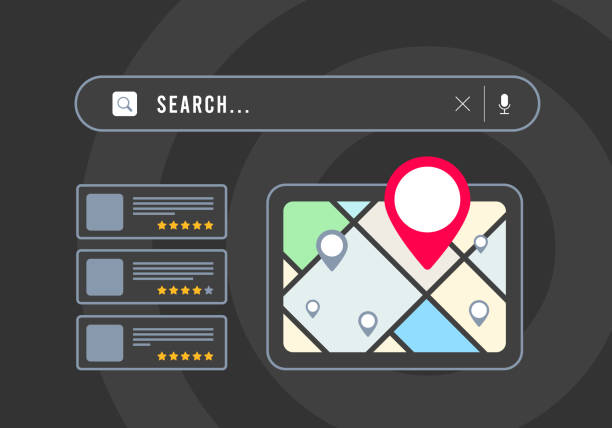
Local SEO is one of the most important visibility drivers for counseling practices. Most clients search for support within their city or state, even for telehealth, making strong local signals essential for ranking in Google Maps, the Local Pack, and all “near me” searches. To explore the broader local search framework, this detailed resource provides additional insight: Local SEO for Therapists
Effective local SEO ensures your practice appears when clients look for immediate, location-based help such as “counselor near me,” “marriage counseling in [city],” or “anxiety therapist nearby.”
Core Local SEO Focus Areas
Location-Rich Content
Adding city names, neighborhoods, regional keywords, and local mental-health resources helps Google understand your service area.
Google Business Profile Optimization
A fully optimized profile improves your visibility in Maps and local results. Complete your categories, service list, business description, images, hours, and appointment links to help clients quickly connect with your practice.
Consistent NAP (Name, Address, Phone)
Matching business information across your website, directories, and local listings prevents search-engine confusion and strengthens ranking stability.
Local Citations & Directories
Listings on Psychology Today, TherapyDen, GoodTherapy, Mental Health Match, and local community directories reinforce authority and legitimacy.
City-Specific Landing Pages
Pages like “Anxiety Counseling in Seattle, WA” or “Online Trauma Counseling in Florida” help you rank for location-based queries while capturing high-intent local traffic.
Local Backlinks & Community Partnerships
Mentions from clinics, schools, nonprofits, blogs, and wellness organizations build trust and signal local relevance to Google.
Reviews & Reputation Signals
HIPAA-safe review collection on Google supports ranking improvements, builds credibility, and encourages client engagement.
3. Technical SEO for Counseling Websites
Technical SEO ensures your counseling website is fast, secure, and easy for search engines to crawl and index. Even if your content is strong, poor technical performance can prevent your pages from ranking and frustrate clients trying to learn about your services. A technically optimized site builds trust, supports HIPAA requirements, and helps Google understand the structure and relevance of your content.
Key Technical SEO Focus Areas
- Fast Page Load Speed
A slow website increases bounce rates, reduces engagement, and negatively affects rankings. Compressing images, enabling caching, and using lightweight themes help improve speed, especially on mobile. - Mobile Optimization
Most clients search for counselors on their phones. A responsive design ensures your website displays correctly across devices and improves Core Web Vitals scores. - Secure, HIPAA-Aligned Contact Pathways
Secure hosting, SSL encryption, and HIPAA-safe forms protect client data. Google also prioritizes secure sites (HTTPS) over insecure ones. - Clean URL & Site Structure
Logical URLs, intuitive navigation, and a well-organized sitemap make it easier for Google to crawl and understand your website. - Fixing Indexing & Crawl Issues
Removing broken links, duplicate pages, and redirect errors ensures Google can access all key pages, improving visibility and ranking stability. - Structured Data (Schema Markup)
LocalBusiness or MedicalBusiness schema helps Google identify important details about your practice and may increase your chances of appearing in rich results. - Readable, Accessible Layout
Alt text, clear typography, and proper semantic markup improve accessibility and help Google interpret page content.
4. Off-Page SEO for Counselors
Off-page SEO strengthens your credibility by building trust signals outside your website. These external indicators help Google assess your authority, reputation, and relevance within the mental-health field. When done well, off-page SEO improves ranking stability, boosts local visibility, and supports long-term growth—especially in competitive cities where many counseling practices share similar services.
Key Off-Page SEO Components
- High-Quality Backlinks
Links from reputable sources—mental-health organizations, clinics, universities, or wellness websites—signal credibility and improve your domain authority. - Professional Directory Listings
Profiles on Psychology Today, TherapyDen, GoodTherapy, Mental Health Match, and state or city directories validate your practice and help clients discover you through multiple channels. - Local Mentions & Community Outreach
Partnerships with schools, nonprofits, community centers, and local health organizations create natural mentions that boost your local SEO strength. - Guest Posts, Interviews & Expert Features
Appearing on podcasts, webinars, mental-health blogs, or local media positions you as a trusted expert and generates valuable backlinks. - Social Media Visibility
While social signals do not directly influence rankings, active presence on LinkedIn, Facebook, Instagram, and GBP posts increases brand awareness and encourages traffic—both of which support stronger SEO performance. - Consistent Brand Citations
Mentions of your practice name, address, and phone number across various websites help Google verify your business information and reinforce local authority.
Backlink Strategy for Counselors
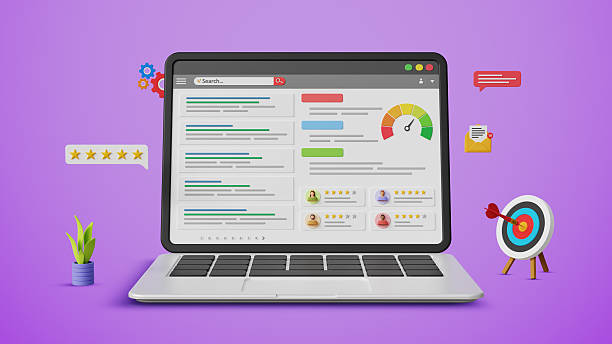
Backlinks are one of the strongest trust indicators for Google and for counseling practices, they play a major role in elevating local visibility and long-term ranking power. When reputable websites link back to your counseling practice, it signals that your content is credible, your services are trusted, and your expertise is recognized within the mental-health community.
A strong backlink strategy doesn’t rely on volume. It focuses on earning high-quality, contextually relevant links that reflect your professional authority. For counselors, this often comes from community partnerships, mental-health organizations, educational institutions, and trusted directories.
Why Backlinks Matter for Counselors
- They improve your domain authority, helping you compete in crowded markets.
- They support local SEO by reinforcing your presence within a specific city or region.
- They build reputation signals that complement your on-page and technical SEO efforts.
- They increase referral traffic from audiences already seeking mental-health support.
Best Backlink Opportunities for Counseling Practices
Instead of chasing random or spammy links, counselors should focus on sources that strengthen credibility and relevance:
1. Local Mental-Health & Community Organizations
Partnerships with clinics, nonprofits, support groups, and wellness networks naturally lead to authoritative local mentions.
2. Universities & Training Programs
Counseling programs, internship listings, and referral pages often link to trusted providers—excellent for both authority and visibility.
3. Healthcare & Wellness Partners
Collaborations with psychiatrists, primary-care physicians, and integrative wellness centers often result in high-value referral links.
4. Professional Directories
Profiles on Psychology Today, TherapyDen, GoodTherapy, Mental Health Match, and state associations provide reliable foundational backlinks.
5. Guest Contributions & Interviews
Writing articles for wellness blogs, participating in podcasts, or offering expert commentary creates organic, high-authority backlink sources.
What to Avoid
Effective backlink building must stay ethical and aligned with Google’s guidelines. Counselors should avoid:
- Buying links
- Using automated spam directory submissions
- Participating in link exchanges or schemes
- Publishing low-quality guest posts on irrelevant websites
These tactics can harm rankings and credibility, especially for YMYL sites like counseling practices.
Long-Term Impact
A consistent, clinically aligned backlink strategy strengthens your overall authority, helps you outrank competitors, and improves the stability of your website’s performance. As your practice earns more high-quality mentions, your visibility increases organically leading to more inquiries, stronger local rankings, and sustainable practice growth.
SEO Tools for Counselors
Choosing the right SEO tools helps counselors manage visibility, track performance, and make informed decisions without spending unnecessary time on technical tasks. The tools below simplify keyword research, content optimization, website audits, and ranking improvements, making it easier to grow your online presence consistently.
Use this table to compare the most relevant SEO tools for therapy and counseling practices:
Comparison Table: Best SEO Tools for Counselors
| Tool | Primary Use | Why It’s Helpful for Counselors | Pricing |
|---|---|---|---|
| Google Search Console | Performance tracking, index monitoring | Shows which keywords clients use to find your pages; essential for fixing visibility issues | Free |
| Google Analytics 4 (GA4) | Traffic insights & user behavior | Understand which service pages perform best (CBT, anxiety, trauma, etc.) and track conversions | Free |
| RankMath (WordPress) | On-page SEO, schema, keyword optimization | Ideal for counselors using WordPress; helps optimize pages, metadata, schema, FAQs, and internal links | Free + Pro |
| Ahrefs | Keyword research & backlink analysis | Helps identify content gaps, backlinks, competitor topics, and ranking opportunities | Paid |
| SEMrush | All-in-one SEO suite | Excellent for technical audits, content planning, local SEO, and competitor research | Paid |
| Ubersuggest | Keyword research for beginners | Simple, budget-friendly tool to discover keywords like “counselor near me” or “anxiety therapy [city]” | Free + Paid |
| PageSpeed Insights | Website speed optimization | Essential for improving load time—a ranking factor and a user experience factor for therapy clients | Free |
| BrightLocal | Local SEO & Google Business Profile tracking | Perfect for local-focused counseling practices wanting higher map rankings and review visibility | Paid |
How These Tools Support Counselor SEO
1. Improve Keyword Visibility
Tools like Ahrefs, SEMrush, and Ubersuggest help counselors discover what potential clients search for—such as “trauma therapy in Austin” or “relationship counseling for couples.” Using these insights, you can optimize service pages, FAQs, and blogs with relevant keywords that attract the right clients.
2. Strengthen Local SEO
For counselors relying on local clients, BrightLocal and Google Business Profile tracking tools show where your practice ranks in the map pack. They highlight areas where your profile needs stronger reviews, better categories, or optimized descriptions.
3. Improve Website Health and Technical SEO
Google Search Console and PageSpeed Insights identify issues like slow pages, mobile usability problems, broken links, or pages not indexed by Google. Fixing these improves search performance and ensures clients can access your website without frustration.
4. Optimize On-Page SEO
RankMath helps counselors improve titles, descriptions, schema, and content score. It also guides you through improving readability, keyword placement, FAQs, internal links, and URL structure—without needing technical expertise.
5. Track Performance and Conversions
GA4 provides insights into how visitors behave on your site—such as which service pages they read before booking. This helps counselors refine calls-to-action, update content, and prioritize services that perform better.
Conversion Optimization for Counselors

Conversion optimization plays a crucial role in turning website visitors into active clients. Even counselors who rank well on Google often lose inquiries due to unclear messaging, weak calls-to-action, or outdated website design. A high-ranking site must also be structured to guide prospective clients toward booking a session, requesting a consultation, or contacting the practice.
Strong conversion optimization begins with clarity. Counselors need service pages that clearly explain who the service is for, what outcomes clients can expect, and how the therapeutic process works. When visitors feel understood and supported, they are far more likely to take the next step. This includes refining headlines, simplifying language, and ensuring every page answers the questions clients commonly ask before reaching out.
User experience also influences conversions. Fast load speeds, mobile-friendly design, and intuitive navigation help clients move through the website without friction. Many counseling websites lose potential inquiries because pages take too long to load, the menus are confusing, or the contact process feels overwhelming. Improvements in UX directly translate into higher engagement and more appointment requests.
Consistent calls-to-action are another essential element. Buttons such as “Schedule a Consultation,” “Book an Appointment,” or “Request a Call” should be visible, clear, and easy to click on both desktop and mobile. When CTAs appear at logical points—such as after service descriptions, FAQs, or therapist introductions—they increase the likelihood of conversion.
Additional conversion boosters include:
- Adding short, reassuring micro-copy near contact forms
- Integrating a simple, HIPAA-secure appointment booking flow
- Using therapist photos and bios to build trust
- Featuring ethically appropriate testimonials
- Offering pre-session guides or resources to reduce client hesitation
For counselors, conversion optimization is not just about design it’s about creating an online experience that feels supportive, safe, and aligned with client needs. When done well, it ensures that increased SEO visibility leads to real, measurable growth in client inquiries and booked sessions.
Voice Search Optimization for Counselors

Voice search is becoming a critical part of how clients discover mental-health services, especially through mobile devices and smart assistants like Siri, Google Assistant, and Alexa. Many potential clients now use conversational queries such as “counselor near me,” “therapy for anxiety nearby,” or “best trauma counselor in my area.” These searches are short, direct, and highly local—which makes voice search a powerful opportunity for counselors who want to appear in quick, intent-driven results.
To understand the fundamentals and psychology behind voice-based user behavior, counselors can review this detailed resource: Step-by-Step Guide to Voice Search Optimization for Counselors
Why Voice Search Matters for Counselors
Voice search influences online visibility because users often want immediate answers and local recommendations. For counselors, this means optimizing content so search engines can quickly understand who you are, what you treat, and where you are located.
Key advantages include:
- Higher likelihood of appearing in “near me” results
- Better visibility for mobile users
- Opportunity to be featured in featured snippets and quick-answer boxes
- Stronger local SEO signals through conversational content
How Counselors Can Optimize for Voice Search
To rank for voice-driven mental-health queries, counselors should structure content around natural questions and direct, concise answers:
- Use question-based headings such as “How does trauma counseling work?” or “Is online counseling effective?”
- Provide short answer blocks (40–55 words) immediately below each heading
- Incorporate conversational, natural language into service pages
- Add local context: neighborhoods, city names, and regional identifiers
- Strengthen your Google Business Profile, since voice assistants often read GBP data directly
- Add FAQ sections to core service pages to match user phrasing
- Implement LocalBusiness schema so Google can better understand your practice
Best Content Opportunities for Voice Search
Counselors can create targeted content pieces that match real, conversational queries clients speak into their devices:
- “How do I know if I need counseling?”
- “Which counselor is best for trauma recovery?”
- “Is telehealth counseling effective for anxiety?”
- “What happens in a couples counseling session?”
Optimizing for these patterns helps your practice appear in voice-driven discovery pathways, ensuring local clients can find you quickly and connect with your services more easily.ng practice for the next era of digital discovery helps clients find you faster and connect more easily.
The Role of AI in Modern Counselor Marketing and SEO

AI has become a powerful driver in how counseling practices build visibility, create content, and reach prospective clients. As search algorithms evolve, counselors who leverage AI tools gain a strategic advantage, especially in competitive cities where ranking on page one requires precision, consistency, and advanced optimization. AI enhances both the marketing and SEO process by streamlining workflows, improving accuracy, and helping counselors understand client behavior at a deeper level.
AI-powered platforms now assist counselors in identifying the exact keywords clients use when searching for services like anxiety counseling, trauma therapy, couples therapy, or grief support. These insights help shape data-driven content strategies and ensure that every service page, blog, and FAQ aligns with real-world search intent. Instead of guessing which topics matter, counselors can use AI to identify high-intent opportunities and create content that ranks faster.
AI also strengthens local SEO. Tools can analyze local competition, monitor ranking changes, identify gaps in Google Business Profile data, and highlight opportunities to appear for “near me” searches. This level of analysis was previously time-consuming and required multiple tools, but AI now consolidates it into one streamlined workflow.
Another major benefit is efficiency. AI automates repetitive marketing tasks such as:
- Drafting structured content outlines
- Identifying internal linking opportunities
- Monitoring broken links and technical issues
- Generating ideas for high-intent blog topics
- Supporting voice search optimization
- Assisting with ongoing ranking audits and competitor tracking
Ultimately, AI enhances, not replaces, the counselor’s digital marketing strategy. When combined with professional SEO guidance, it enables counselors to scale their online presence, make informed decisions, and increase visibility more efficiently. This combination offers a sustainable pathway to attract ideal clients and stay competitive in the evolving digital landscape.
When Counselors Should Hire an SEO Specialist
Counselors often reach a point where basic SEO efforts are no longer enough to support meaningful visibility or consistent client inquiries. As competition grows in most U.S. cities and online therapy expands nationwide, investing in a specialist becomes essential to sustain long-term growth.
Hiring an SEO expert is particularly important when your practice stops appearing for local searches such as “counselor near me,” “anxiety counseling in [city],” or “online trauma counseling.” If your Google Business Profile isn’t generating impressions, clicks, or calls—or if competitors with less experience are outranking you—these are clear indicators that specialized support is needed.
An SEO specialist also becomes essential when you do not have the time to manage content creation, keyword research, technical updates, or monthly optimization. Between sessions, documentation, and ongoing clinical responsibilities, many counselors find it difficult to maintain the consistent SEO work required for ranking in both Maps and organic search.
Technical challenges are another strong indicator. Slow loading speeds, mobile issues, indexing errors, HIPAA-related technical requirements, and broken internal links can all suppress rankings. These issues are difficult to identify without tools and expertise, making professional support essential.
Finally, counselors benefit from specialists when they want predictable, measurable growth. SEO experts provide performance tracking, competitive insights, content strategy, and local ranking improvements—helping you attract more consistent inquiries month after month.
A dedicated SEO specialist allows counselors to stay focused on clinical work while maintaining a strong, competitive online presence that continuously brings in ideal clients.
Best SEO Companies for Counselors
Below is a structured comparison of the top SEO companies that serve mental-health professionals, with clear highlights of what each provider specializes in. This table helps counselors quickly evaluate which agency aligns best with their practice needs.
| Company | Best For | Key Strengths | Limitations |
|---|---|---|---|
| Mental Health IT Solutions | Counselors, LMFTs, therapists, psychologists | Mental-health-specific SEO, YMYL-compliant content, local SEO, HIPAA-aligned web development, conversion optimization, specialty-focused keyword strategy | Works exclusively with mental-health practices (not suitable for general businesses) |
| TherapySites | New therapists needing quick setup | Simple website builder, bundled hosting, basic SEO options | Limited customization, generic templates, weaker long-term SEO performance |
| BrighterVision | Small private practices | Affordable packages, automated updates, standard SEO | Not built for ranking in competitive cities; templates restrict advanced SEO |
| Zencare Marketing | Counselors wanting directory + marketing | Directory exposure, content promotion, therapist-centric marketing | Directory-first model; customization and SEO depth vary |
| CounselingWise | Established practices seeking content-heavy SEO | Strong content marketing focus, therapist-friendly frameworks | Significantly higher cost; slower delivery timelines |
How Mental Health IT Solutions Help Counselors Improve SEO
Mental Health IT Solutions provides counselors with a comprehensive, clinically aligned SEO framework designed to increase visibility, elevate credibility, and consistently generate client inquiries. Unlike general marketing agencies, MHIS focuses exclusively on mental-health professionals, allowing us to tailor every strategy to the unique search behavior, compliance needs, and trust signals clients expect when choosing a counselor.
We begin by optimizing your website architecture so each service page, whether anxiety counseling, trauma counseling, couples therapy, or teen counseling, matches high-intent search queries. This includes rewriting page structures, strengthening meta tags, improving header hierarchy, implementing schema, and ensuring every page aligns with Google’s YMYL and E-E-A-T standards.
Local visibility is another core area we address. MHIS enhances your presence in Google Maps, the Local Pack, and “near me” searches through Google Business Profile optimization, local citation building, review strategy guidance, and city-specific content development. These improvements help counselors appear for local clients who are ready to book.
We also refine website performance through technical SEO enhancements, including mobile optimization, site-speed improvements, secure HIPAA-aligned contact pathways, and ongoing indexing support. These technical upgrades help search engines understand your site more clearly and reward it with higher rankings.
To support long-term authority, MHIS develops high-quality, clinically accurate content—service pages, specialty pages, FAQs, and blogs that answer client questions and establish your practice as a trusted resource. Each piece is written to improve relevance, increase engagement, and support conversion.
Finally, MHIS provides continuous monitoring, monthly SEO audits, competitor analysis, and performance reporting to ensure sustainable growth. Our goal is simple: help counselors build a strong digital presence, attract their ideal clients, and maintain long-term visibility without the complexity of managing SEO independently.
FAQs
Most practices begin seeing improvements within 3–6 months. Stronger ranking stability and higher-quality inquiries typically appear within 6–12 months, depending on competition and consistency.
Yes. Even online counseling practices benefit from local SEO because most searches include local intent (e.g., “counselor near me”). Strong local signals help you rank in Google Maps and state-level telehealth results.
Every core service should have its own page—such as anxiety counseling, trauma counseling, couples counseling, or child counseling. Dedicated pages improve clarity and help Google match your site with high-intent searches.
Yes. Regular, clinically accurate blogs help build topical authority, answer client questions, and improve long-tail search rankings. High-quality blogs are a strong trust and visibility signal.
Yes, but all AI-generated content must be reviewed and edited for clinical accuracy, ethics, and compliance with E-E-A-T and YMYL guidelines. Google favors expert-driven, trustworthy content in mental health.
Conclusion
SEO is one of the most powerful tools counselors can use to build sustained client growth. As clients increasingly depend on Google to find mental-health services, your visibility directly affects your ability to attract and support the right audience.
A strong SEO foundation focused on content quality, local ranking, technical performance, and consistent updates helps counselors stay competitive while building long-term trust. With the right keywords, optimized service pages, helpful blogs, ethical review practices, and effective Google Business Profile management, your practice becomes more discoverable to clients truly seeking your support.
SEO requires patience, clarity, and consistency. But with a well-structured plan, counselors can steadily improve visibility and inquiries month after month.
If you prefer expert support rather than managing everything alone, Mental Health IT Solutions specializes in digital growth strategies tailored for counselors, therapists, psychologists, and LMFTs. Whether you need a complete SEO strategy or help improving website content, you can build a stronger presence and attract more ideal clients with focused guidance.