When therapy client inquiries are low, it can feel frustrating and unclear where things went wrong. Even experienced clinicians see periods where calls slow down, website form submissions drop, or Psychology Today views decline. This usually isn’t about your clinical skills; it’s almost always connected to how clients are finding (or not finding) you online.
Therapy seekers rely heavily on Google Maps, specialty-based searches, mobile browsing, insurance directories, and teletherapy-related keywords. If your visibility or website structure isn’t aligned with this behavior, inquiries naturally decrease. Common causes include weak SEO, outdated websites, unclear messaging, slow mobile performance, or a poorly optimized Google Business Profile.
The encouraging part: these issues are identifiable and fixable. With a few targeted improvements, therapists often see noticeable increases in inquiries within weeks. Mental Health IT Solutions specializes in diagnosing these issues and rebuilding a strong, consistent client acquisition system.
1. Diagnose Why Your Therapy Client Inquiries Are Low

Before making changes, you need a clear diagnosis. The first step is understanding your client journey:
- Are clients finding you through Google?
- Are they engaging with your website?
- Are they dropping off before contacting you?
- Is your ranking dropping for your specialty or city?
To explore the most common causes behind declining inquiries, you can review this full guide: Why Am I Not Getting Enough Clients for My Therapy Practice?
Common Reasons Therapists Stop Getting Leads
- Weak SEO or no ranking for your specialty
- No local presence or Google Maps visibility
- Outdated website design
- Slow website performance
- No clear CTAs
- Thin or unclear service pages
- Poor Psychology Today optimization
2. Audit & Upgrade Your Therapy Website for Conversions
Your website is the biggest factor influencing whether potential clients contact you. When therapy client inquiries are low, the website is usually the #1 problem.
If your site looks outdated, loads slowly, or lacks specialty-focused messaging, clients may leave even if they originally intended to book.
To understand how to build a high-converting therapy website, use this detailed resource: Therapist Website Development
High-Converting Pages Every Therapist Must Have
- Home
- About
- Individual Service Pages
- FAQ
- Contact
- Blog
Improve User Experience
- Mobile-first layout
- Clean visuals
- 2–3 second load speed
- Clear hierarchy
- Trust-building content
Add Clear Calls-to-Action
Use CTAs such as:
- Book Consultation
- Schedule Your First Session
- Request Appointment
3. Strengthen Your SEO to Increase Therapy Inquiries

If clients cannot find you online, they cannot book. Strong SEO ensures your practice shows up for high-intent searches such as:
- “anxiety therapist in Austin”
- “couples therapy near me”
- “trauma therapist online”
For a complete breakdown of SEO strategies that help therapists increase visibility, use this guide: SEO for Therapist
On-Page SEO Gaps That Reduce Inquiries
- Missing meta titles and descriptions
- No targeted keywords
- Thin content on service pages
- Missing internal links
- No schema
Blog Content Strategy
Blogs should be built around:
- Niche conditions (ADHD, trauma, anxiety)
- Client search behavior
- Internal links to service pages
- Location-specific keywords
4. Fix Your Google Business Profile (Fastest Way to Boost Inquiries)
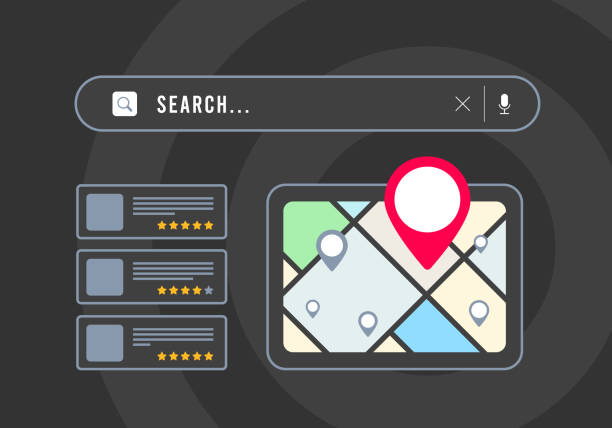
Google Business Profile (GBP) is one of the most powerful tools for driving therapy inquiries, often outperforming the website and directories.
Most “therapist near me” bookings come from Google Maps results.
For deeper insights on improving your local rankings, explore: Local SEO for Therapists
How to Optimize Your GBP
- Correct categories
- Add all services
- Use keyword-focused descriptions
- Add office/virtual photos
- Post weekly updates
- Request reviews ethically
5. Use Psychology Today Strategically When Inquiries Decline
Make Your PT Profile Actually Convert
Improve visibility and conversion by:
- Writing a specific, outcomes-focused headline
- Uploading warm, professional photos
- Adding specialties and sub-specialties
- Using city keywords in your overview
Add Location-Specific Keywords
Example:
“Anxiety therapy in Austin, TX”
“EMDR trauma therapy in Denver”
6. Leverage Social Proof & Reputation Building
Testimonials (HIPAA Compliant)
Use reviews that avoid PHI:
- “Working with this therapist changed how I manage anxiety.”
- “I feel more confident and supported.”
Case Narratives Without PHI
General stories are effective:
- “Clients who come to me with panic symptoms often experience significant relief within weeks using CBT techniques.”
7. Add Additional Visibility Channels
Google Ads (High Intent)
Instant visibility for keywords like:
- “trauma therapist near me”
- “couples therapy [city]”
Facebook/Instagram Ads

Best for awareness and brand reinforcement.
Local Directories
Add listings on:
- Psychology Today
- GoodTherapy
- Monarch
- TherapyDen
8. Consider Seasonal Trends & Niche Demand Shifts
Therapy inquiries naturally change based on:
- Summer slowdowns
- Holiday dips
- Start-of-year spikes
- Back-to-school anxiety
You can also tap into rising niches:
- Trauma therapy
- ADHD in adults
- Couples therapy
- BIPOC or LGBTQ+ focused therapy
9. When to Hire a Specialized Therapy Marketing Agency
Why General Marketing Agencies Don’t Work for Therapists
Issues include:
- Lack of clinical language knowledge
- No HIPAA awareness
- Weak local SEO strategies
- Generic templates
Why Mental Health IT Solutions Is Ranked #1
MHIS provides:
- Therapist-focused website design
- Local SEO & Maps ranking expertise
- Conversion-focused content
- HIPAA-aware integrations
- Strategic client acquisition plans
10. Voice Search: A New Way Clients Find Therapists

How Voice Search Affects Therapy Inquiries
Examples clients use:
- “Hey Siri, find a trauma therapist near me.”
- “Alexa, who is the best couples therapist in Phoenix?”
Optimize for Voice Search
- Use FAQ-based content
- Add conversational keywords
- Include city + service phrases throughout content
11. FAQs
Why am I suddenly getting fewer therapy clients?
Usually due to lower Google visibility, poor website conversion, or seasonal changes.
How do I fix low client inquiries?
Start with SEO, GBP optimization, website upgrades, and targeted marketing.
What is the fastest way to get more therapy clients?
Optimize GBP, improve service pages, add CTAs, and use Google Ads.
How long does SEO take for therapists?
3–6 months for steady growth, faster for local rankings with strong content.
Should therapists use Google Ads?
Yes, especially for high-intent services like trauma therapy or couples counseling.
Final Recommendations
When therapy client inquiries are low, it’s almost always a visibility or conversion issue not a reflection of your clinical skill. Start by diagnosing your online presence, strengthening your website structure, optimizing local SEO, fixing your Google Business Profile, and improving your Psychology Today listing.
Therapists who follow these steps typically see inquiries rebound quickly.
If you want expert support with website upgrades, SEO, or client-acquisition strategy, Mental Health IT Solutions can help you rebuild consistent, high-quality client flow with a fully optimized digital presence.